In a world where countless animals await homes in shelters, the decision to adopt rather than purchase a pet is both a compassionate and practical choice. Shelters are filled with loving, loyal companions of all ages, breeds, and personalities, each with a unique story and a deep capacity for gratitude. Choosing to bring one into your life not only saves an animal but enriches your own existence in ways you might never have imagined. However, the process of selecting the right shelter pet requires thoughtful consideration, patience, and a willingness to look beyond first impressions to find a true match for your lifestyle, home environment, and emotional needs.
Before stepping foot into a shelter, it is crucial to engage in honest self-reflection. Ask yourself what you truly seek in a pet. Are you looking for a high-energy jogging partner, a serene lap cat, or a gentle family dog that gets along with children and other animals? Your daily routine, living space, activity level, and future plans must all factor into this decision. A large, energetic dog may struggle in a small apartment without a yard, while an independent cat might be perfect for a busy professional. Consider the long-term commitment as well; many pets live for over a decade, and your life circumstances should be stable enough to provide a forever home.
When you visit a shelter, allow yourself time to observe and interact. Do not rush the process. Walk through the kennels or cat rooms quietly, noting which animals approach you with curiosity and which hang back. Body language speaks volumes. A dog with a relaxed posture, soft eyes, and a gently wagging tail is likely comfortable and friendly, while one that is cowering or barking excessively may be stressed or fearful—though this doesn’t mean they wouldn’t thrive in a calmer environment. For cats, watch for those who rub against the cage door or purr when you speak to them; these are often signs of a social and affectionate nature.
Spend quality one-on-one time with any animal that catches your interest. Most shelters have designated areas for meetings. For dogs, see how they respond to basic commands, if they know any, and how they react to treats and gentle petting. Do they jump up, or do they sit politely? For cats, observe if they enjoy being stroked or prefer to explore the room independently. Ask the shelter staff as many questions as possible. They know these animals intimately—their histories, temperaments, likes, and dislikes. Inquire about any known health issues, past trauma, or behavioral quirks. Transparency from the staff is key to ensuring a successful adoption.
It is also wise to consider the age of the pet. Puppies and kittens are undeniably adorable, but they require immense amounts of time, training, and patience. They are bundles of energy that need to be taught everything from house manners to social skills. Adult animals, on the other hand, often come with established personalities and may already be house-trained. What you see is frequently what you get, making it easier to gauge if they are a fit for your home. Senior pets, though sometimes overlooked, can be remarkably rewarding; they are typically calmer, require less exercise, and offer a profound, gentle companionship in their golden years.
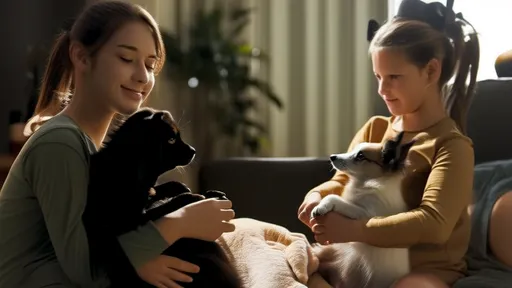
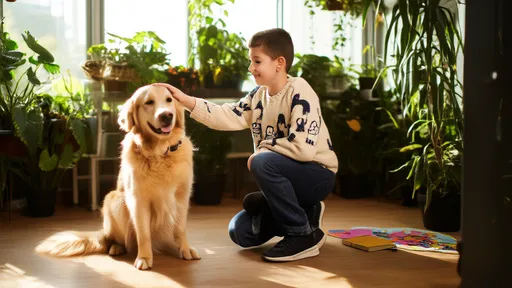
Another critical aspect is compatibility with any existing pets or family members. If you have other animals, ask the shelter if they allow meet-and-greets to see how the potential new addition interacts with your current pets. Similarly, if you have children, especially young ones, look for animals with a known history of being good with kids. Shelters often conduct behavioral assessments and can guide you toward pets that are patient, gentle, and tolerant. Never adopt based solely on pity or a sad story; your goal is to find a harmonious match that will lead to a happy, lasting relationship for everyone involved.
Post-adoption, the journey is just beginning. The first few weeks are a period of adjustment as your new pet acclimates to their unfamiliar surroundings. Be patient and provide a consistent routine. Set up a quiet, comfortable space for them to retreat to when overwhelmed. Invest in proper training, socialization, and veterinary care to ensure they thrive. Remember, many shelter animals come from difficult pasts and may need extra time to learn to trust and feel secure. Your commitment, love, and stability can transform their lives—and undoubtedly, they will transform yours in return.
Adopting a shelter pet is far more than a transaction; it is the start of a profound bond built on second chances and mutual devotion. By taking the time to choose wisely, you are not only giving an animal a home but welcoming a new member into your family—one who will offer unwavering loyalty, countless moments of joy, and the deep satisfaction of knowing you made a life-changing difference. Open your heart and your home, and you may just find that the perfect pet was waiting for you all along.

By /Aug 20, 2025

By /Aug 20, 2025

By /Aug 20, 2025

By /Aug 20, 2025

By /Aug 20, 2025

By /Aug 20, 2025

By /Aug 20, 2025

By /Aug 20, 2025

By /Aug 20, 2025
By /Aug 20, 2025

By /Aug 20, 2025

By /Aug 20, 2025

By /Aug 20, 2025

By /Aug 20, 2025
By /Aug 20, 2025

By /Aug 20, 2025
By /Aug 20, 2025

By /Aug 20, 2025
By /Aug 20, 2025

By /Aug 20, 2025