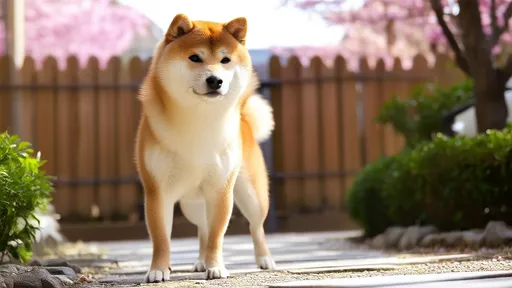
Anyone who has ever tried to convince a Shiba Inu to do something it doesn't want to do understands the unique meaning of the word "stubborn." It's not merely a behavioral trait; it's a core component of their being, woven into their DNA from centuries of independent hunting in the mountains of Japan. This celebrated independence, while part of their immense charm, presents a distinct set of challenges for the modern pet owner. The key to a harmonious life with a Shiba does not lie in breaking their spirit, which is both impossible and cruel, but in channeling their intelligence and strong will through patient, consistent, and intelligent training and socialization methods.
The journey begins with understanding the "why" behind the "no." Labeling a Shiba as simply stubborn is a disservice. This is a breed built for decision-making. Their job was to flush game and often work at a distance from their human partners, requiring quick, independent thinking. This translates today into a dog that constantly assesses the value of your commands. "Sit" for a treat? Perhaps, if the treat is good enough. "Come" away from a fascinating squirrel smell? The cost-benefit analysis happening in their head is almost visible. They are not being defiant for defiance's sake; they are exercising their natural judgment. Recognizing this is the first step toward effective communication. You are not dealing with a blindly obedient servant, but a clever, opinionated partner who needs to be convinced that your way is the most rewarding path.
This is where the art of positive reinforcement becomes non-negotiable. Traditional, dominance-based training methods are a recipe for disaster with a Shiba Inu. Force or intimidation will only trigger their famed stubbornness and lead to a complete shutdown of cooperation, or worse, a fearful and aggressive response. The goal is to make yourself the most interesting and rewarding thing in their environment. High-value treats—think small pieces of boiled chicken, cheese, or freeze-dried liver—are your greatest allies. The timing of the reward is critical; it must be instantaneous the moment they perform the desired behavior, building a clear connection in their mind between the action and the positive outcome. This method capitalizes on their intelligence, turning training into a puzzle where the solution is obedience and the prize is delicious.
Consistency is the bedrock upon which all Shiba Inu training is built. This breed is a master of finding loopholes and testing boundaries. If the rule is "no begging at the table," it must be enforced by every single person in the household, every single time. Inconsistency teaches them that rules are optional and that persistence in unwanted behavior might eventually pay off. This extends to verbal commands and cues. Decide on a specific word for each action and stick to it. If you use "down" to mean both "lie down" and "get off the couch," you are creating confusion that a Shiba will be all too happy to exploit to their advantage. Their world needs clear, predictable, and unwavering rules to feel secure and understand their place within the family structure.
Perhaps the most critical investment you can make in your Shiba Inu's future is early and extensive socialization. The window for prime socialization is short, typically between 3 and 16 weeks of age. This is the time to carefully and positively expose your puppy to the vast tapestry of sights, sounds, smells, people, and animals they will encounter throughout their life. The goal is not just exposure, but creating positive associations. A trip to a quiet park where they can watch people from a distance while receiving treats builds confidence. Introducing them to calm, vaccinated dogs of various sizes helps prevent the dog-selectivity or reactivity this breed is known for. Sounds of traffic, children playing, vacuum cleaners, and umbrellas opening should all be introduced gradually and paired with something wonderful, like play or food. A well-socialized Shiba is not necessarily a gregarious, outgoing dog—that is not their nature—but rather a stable, confident, and neutral one, unfazed by the strange and novel.
Socialization does not end after puppyhood; it is a lifelong process. Continuing to provide positive experiences throughout their adult life reinforces those early lessons and prevents regression. Regular walks in new neighborhoods, visits to pet-friendly stores, and calm interactions with trusted people and dogs help maintain their social skills. It is crucial to read your Shiba's body language during these outings. If they show signs of stress or fear—tucked tail, pinned ears, whale eye, attempts to hide or flee—do not force the interaction. Pushing them too far can create a negative association and undo previous work. Instead, create more distance and help them relax before trying again more slowly. Protecting their confidence is just as important as building it.
Two areas where their independent nature shines through most brightly are recall and leash walking. Achieving a reliable recall with a Shiba Inu is the holy grail of training and should never be trusted 100% in an unfenced area. Their prey drive and curiosity can override even the best training in a high-distraction environment. Training should begin in a secure, low-distraction area using a long leash and incredibly high-value rewards. Make coming to you the best game they've ever played, filled with praise and fantastic treats. Never call them to you for something they perceive as negative, like ending playtime or a bath, as this teaches them that the recall command predicts an end to fun. Leash walking requires similar patience. They are not natural heelers. Expect a constant conversation of gentle guidance, stops, and changes of direction, rewarding them lavishly for choosing to walk with a loose leash. The "perfect walk" is a myth; the goal is managed coexistence on the end of the leash.
Ultimately, training and socializing a Shiba Inu is a profound exercise in reframing your expectations. You are not crafting an obedient robot; you are building a relationship based on mutual respect and understanding. Their stubbornness is not a flaw to be eradicated but the flip side of the same coin that gives them their captivating personality, their dignity, and their captivating cat-like demeanor. The victories may be smaller and harder-won than with other breeds, but that makes them all the more satisfying. The moment your independent thinker voluntarily checks in with you on a walk, or reliably sits at a crosswalk, is a testament to the bond you've built through patience and positive methods. It is a partnership earned, not commanded, and that is the most rewarding relationship of all.
By /Aug 20, 2025
By /Aug 20, 2025
By /Aug 20, 2025
By /Aug 20, 2025
By /Aug 20, 2025

By /Aug 20, 2025
By /Aug 20, 2025
By /Aug 20, 2025

By /Aug 20, 2025

By /Aug 20, 2025

By /Aug 20, 2025

By /Aug 20, 2025
By /Aug 20, 2025

By /Aug 20, 2025
By /Aug 20, 2025
By /Aug 20, 2025
By /Aug 20, 2025
By /Aug 20, 2025
By /Aug 20, 2025

By /Aug 20, 2025