In recent years, the pet industry has witnessed a surge in the popularity of genetic testing kits for dogs and cats. Marketed as a window into a pet’s ancestry, health predispositions, and even behavioral traits, these tests promise owners a deeper understanding of their furry companions. The allure is undeniable: who wouldn’t want to know if their rescue mutt has the heart of a Labrador or if their playful kitten might be prone to a specific hereditary condition? The shelves of pet stores and the pages of online retailers are now stocked with an array of kits from various companies, each vying for the attention of concerned and curious pet parents. The question that looms, however, is whether the data provided by these tests is a reliable cornerstone for making informed decisions about a pet's care or merely an entertaining, yet ultimately inconclusive, glimpse into their DNA.
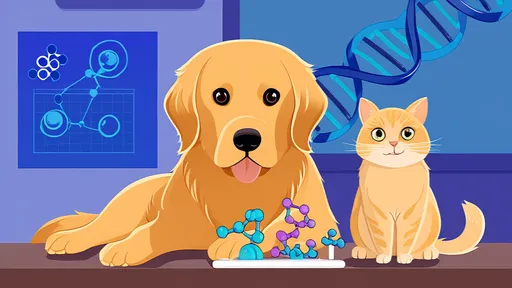
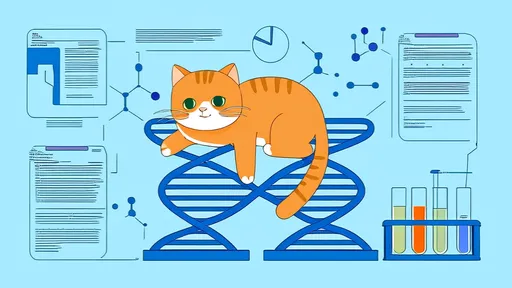
The science behind these tests is, in principle, sound. It operates on the same foundational technology used in human genetic testing. A simple cheek swab or saliva sample is collected from the animal and sent to a laboratory for analysis. There, technicians extract DNA and genotype it, scanning for specific markers and variations known as Single Nucleotide Polymorphisms (SNPs). These SNPs are then compared against a vast reference database of breed-specific genetic markers and known disease-associated variants. The sophistication of this process is entirely dependent on the breadth and quality of this reference database. A company with a larger, more diverse, and rigorously validated database will inherently produce more accurate and nuanced results. The entire endeavor is a monumental task of comparative genomics, attempting to map the unique genetic code of an individual pet against the established understanding of its species.
When it comes to determining breed composition, the reliability of these tests can be a mixed bag. For purebred animals with extensive pedigree records, the tests often confirm what is already known, serving as a valid verification tool. The real challenge, and the primary market for these services, is for mixed-breed dogs and cats. Here, accuracy can vary significantly. A test might correctly identify the primary breeds in a mix but struggle with trace amounts of DNA from breeds poorly represented in their database. An animal with ancestry from a regionally specific or rare breed might receive confusing or inaccurate results. Furthermore, the concept of "breed" itself is not a precise scientific classification but rather a human-defined categorization based on physical traits and lineage. The genetic differences between some ancient dog breeds, for instance, can be less pronounced than the differences between two individuals of the same breed. This inherent complexity means that a breed report should be viewed as a probabilistic estimate, an educated guess, rather than a definitive blueprint.
The proposition of screening for genetic health risks is arguably the most weighty and consequential aspect of pet DNA testing. The potential value is immense; identifying a predisposition for a condition like degenerative myelopathy, von Willebrand’s disease, or certain types of cardiomyopathy allows owners and veterinarians to implement proactive care plans. This could mean earlier screening, dietary adjustments, or avoiding certain medications that could exacerbate a hidden condition. This proactive approach can undoubtedly enhance a pet's quality of life and potentially extend its lifespan. However, this is also the area where the limitations of direct-to-consumer genetic testing are most stark. A positive result for a genetic mutation is not a diagnosis of disease; it merely indicates an increased risk. The expression of a disease, its penetrance, is influenced by a multitude of other genetic, environmental, and lifestyle factors. Conversely, a negative result does not guarantee a clean bill of health, as the test may not screen for all possible mutations causing a particular disease, or the condition might be polygenic or have non-genetic causes. Placing undue faith in these health results without the expert interpretation of a veterinarian can lead to unnecessary anxiety, costly follow-up tests, or a false sense of security.
Beyond health and ancestry, some companies have ventured into the murky waters of behavioral and trait prediction. Claims that a DNA test can explain why a dog is anxious, has a high prey drive, or is particularly vocal should be met with extreme skepticism. While genetics do play a role in temperament, behavior is an incredibly complex interplay of genetics, early socialization, training, environment, and lived experiences. Isolating a few genetic markers to explain a behavioral outcome is a gross oversimplification of a deeply nuanced field of study. Attributing a behavioral issue solely to a breed identifier from a DNA test can be detrimental, as it may lead an owner to feel the behavior is immutable and untrainable, rather than seeking the help of a professional behaviorist. This aspect of testing often veers into the realm of entertainment, offering amusing but scientifically tenuous insights.
For the average pet owner, the practical value of a genetic test must be carefully weighed. The results can be a fascinating conversation starter and provide a satisfying narrative about a pet's origins. For owners of mixed-breed dogs, it can satisfy a deep curiosity about what "mix" their beloved pet actually is. The health screening component, when used correctly, can be a valuable tool within a broader veterinary care strategy. It can open a dialogue with one’s vet about potential concerns to watch for, making check-ups more targeted and informed. However, it is absolutely critical to manage expectations. The test is a single piece of a very large puzzle. It should not replace regular veterinary care, a balanced diet, and proper training. The results should be brought to a veterinarian for professional context and not acted upon in isolation. An owner should be prepared for the possibility of receiving unexpected or worrying information and have a plan for how to handle it responsibly, without panic.
The pet genetic testing industry currently operates in a regulatory gray area. Unlike tests for human health, which are scrutinized by bodies like the FDA, pet tests are largely classified as informational tools and are not subject to the same rigorous approval processes. This means the burden of proving accuracy and clinical validity falls on the companies themselves. Reputable companies invest heavily in peer-reviewed research to validate their markers and methodologies, and they are typically transparent about the limitations of their tests. Consumers must therefore do their homework, looking beyond marketing claims to investigate the scientific credentials of the company, the size of their database, and whether their health screenings have been published in reputable veterinary journals. Choosing a test from a company with a strong scientific foundation is the best way to maximize the chances of receiving useful and accurate information.
In conclusion, pet genetic testing is a fascinating technological advancement that sits at the intersection of science, commerce, and our emotional connection to our animals. It possesses genuine potential to contribute positively to pet wellness when its capabilities and, just as importantly, its limitations are fully understood. The key to deriving real value from a pet DNA test lies in a balanced perspective. It is a tool for generating hypotheses, not for delivering absolute truths. The most trustworthy report will always be a combination of this genetic data, the astute clinical observations of a veterinarian, and the owner's intimate knowledge of their pet's daily life and habits. The story of a pet is written in more than just its genes; it is written in every walk, every meal, every game of fetch, and every visit to the vet. A DNA test can add an interesting footnote to that story, but it should never be mistaken for the entire book.

By /Aug 20, 2025
By /Aug 20, 2025
By /Aug 20, 2025

By /Aug 20, 2025

By /Aug 20, 2025

By /Aug 20, 2025

By /Aug 20, 2025

By /Aug 20, 2025

By /Aug 20, 2025
By /Aug 20, 2025

By /Aug 20, 2025

By /Aug 20, 2025

By /Aug 20, 2025

By /Aug 20, 2025
By /Aug 20, 2025

By /Aug 20, 2025

By /Aug 20, 2025

By /Aug 20, 2025

By /Aug 20, 2025

By /Aug 20, 2025