In the quiet corners of veterinary science, a revolution is brewing, not with the fanfare of a new surgical technique or a breakthrough drug, but within the trillions of microscopic organisms that call our pets home. This complex community, the microbiome, is no longer seen as a mere passenger but as a fundamental architect of health and disease. The relationship between a pet's internal ecosystem and its overall well-being is a intricate dance, a symbiotic partnership forged over millennia, and we are only just beginning to understand the music.
The pet microbiome is a vast, bustling metropolis, primarily housed within the gastrointestinal tract, though it also resides on the skin, in the mouth, and in other mucosal areas. It is a diverse consortium of bacteria, viruses, fungi, and archaea, each playing a role in a delicate balance. For generations, we viewed these microbes, especially bacteria, with suspicion, as invaders to be vanquished. Now, we understand that the vast majority are not just benign tenants but essential allies. This shift in perspective is rewriting the textbooks on pet nutrition, disease prevention, and treatment.
At its core, the health of this microscopic world is inextricably linked to the function of the immune system. A robust and diverse microbiome acts as a master trainer for a pet's immune defenses. From a young age, exposure to a wide array of beneficial bacteria teaches the immune system to distinguish between friend and foe. It learns to mount an appropriate attack against genuine pathogens while tolerating the good bacteria and harmless environmental antigens. This early education is critical; disruptions during puppyhood or kittenhood can set the stage for a lifetime of immune dysregulation. When the microbiome is impoverished or imbalanced—a state known as dysbiosis—this training falters. The immune system can become confused, leading to overreactions seen in allergies and autoimmune diseases, or it can become lethargic, failing to respond effectively to real threats.
Perhaps the most direct and well-studied role of the gut microbiome is in digestion and metabolism. These microscopic inhabitants are master biochemists, breaking down complex dietary fibers and other compounds that the pet's own enzymes cannot process. In return for a home and a steady supply of food, they produce short-chain fatty acids (SCFAs) like butyrate, acetate, and propionate. These are not mere waste products; they are vital signaling molecules. They serve as a primary energy source for the cells lining the colon, strengthening the gut barrier and preventing a condition often referred to as leaky gut, where toxins and undigested food particles seep into the bloodstream, triggering inflammation. Furthermore, the microbiome is instrumental in synthesizing essential vitamins, such as B vitamins and Vitamin K, and in aiding the absorption of key minerals.
The concept of the gut-brain axis has moved from fringe theory to mainstream science, and it applies just as profoundly to our pets as it does to us. This bidirectional communication superhighway links the emotional and cognitive centers of the brain with the peripheral intestinal functions. The microbiome produces a staggering array of neuroactive compounds, including neurotransmitters like serotonin and gamma-aminobutyric acid (GABA). In fact, a significant portion of the body's serotonin, a key regulator of mood, is produced in the gut. An imbalanced microbiome can disrupt this production, potentially contributing to anxiety, stress, and even changes in behavior that pet owners might observe, such as excessive barking, hiding, or lethargy. Conversely, stress and anxiety in a pet can alter gut motility and secretion, negatively impacting the microbial residents, creating a vicious cycle.
When this delicate microbial equilibrium is thrown into disarray, the consequences can be widespread. Dysbiosis is increasingly implicated in a host of common and frustrating pet ailments. Chronic digestive issues like inflammatory bowel disease (IBD) are strongly correlated with a loss of microbial diversity and an overgrowth of detrimental bacteria. Skin conditions, including atopic dermatitis, are now understood to have a significant gut-skin axis component; an unhealthy gut can manifest as an itchy, inflamed skin barrier. Even shocking conditions like obesity and diabetes are linked to the microbiome. Certain microbial profiles are more efficient at extracting energy from food, potentially contributing to weight gain, and they can influence insulin sensitivity. The implications extend to oral health, with the oral microbiome playing a direct role in the development of periodontal disease, which itself can have systemic inflammatory effects.
So, how does one cultivate a garden of beneficial microbes? The primary levers are diet and environment. Nutrition is the most powerful tool at our disposal. Highly processed, carbohydrate-heavy diets can starve beneficial fiber-fermenting bacteria and promote the growth of less desirable species. Incorporating prebiotics—indigestible fibers that act as food for good bacteria—is crucial. These are found in ingredients like chicory root, beet pulp, and certain whole vegetables. Probiotics are the live beneficial bacteria themselves, which can be introduced through supplements or fermented foods. However, they are often transient, meaning they don't always colonize the gut permanently. The emerging field of postbiotics, which are the beneficial compounds produced by bacteria (like SCFAs), offers another promising avenue for supporting health directly.
Beyond the food bowl, a pet's environment plays a monumental role. The modern, overly sanitized lifestyle may be doing our pets a disservice. The hygiene hypothesis suggests that limited exposure to diverse environmental microbes in early life can hinder the proper development of the microbiome and immune system. Allowing puppies and kittens safe access to outdoor environments, interaction with other healthy animals, and even exposure to a variety of non-toxic plants and soils can provide a valuable microbial education. Conversely, the overuse of antibiotics, while life-saving when necessary, is a blunt instrument that decimates the microbial community without discrimination, and its effects can be long-lasting. Other medications, like non-steroidal anti-inflammatories and steroids, can also perturb this delicate balance.
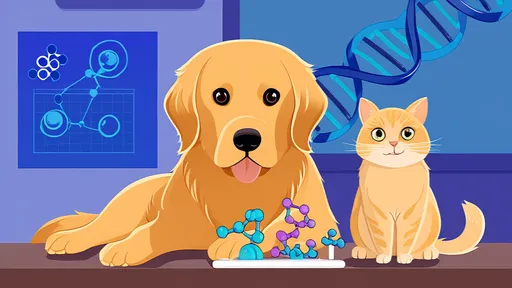
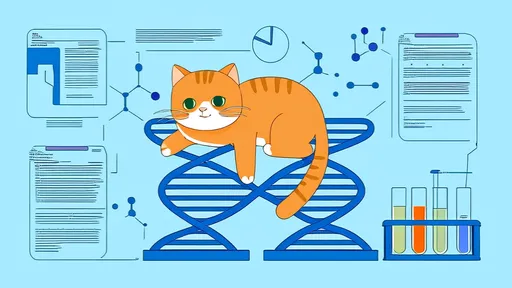
The future of pet healthcare is poised to become deeply personalized, with the microbiome at its heart. Advanced DNA sequencing allows veterinarians to move beyond simple fecal tests and analyze the specific composition of a pet's microbial community. This isn't about identifying a single pathogen; it's about assessing the entire ecosystem's health, diversity, and functional potential. This detailed map can guide incredibly targeted interventions. Instead of a one-size-fits-all probiotic, a veterinarian might prescribe a specific bacterial strain known to address a particular deficiency. Nutritional recommendations could be tailored based on what a pet's unique microbiome is best equipped to process. This shift from reactive treatment to proactive, personalized microbial management promises to revolutionize how we maintain wellness in our animal companions.
Understanding the pet microbiome is more than a scientific curiosity; it is a fundamental paradigm shift in how we view health. Our pets are not solitary organisms but complex superorganisms, a holobiont comprising the animal and all its resident microbes. Their health is a collaborative effort. By nurturing this invisible inner world through thoughtful nutrition, enriched environments, and judicious medical care, we are not just feeding a cat or a dog. We are tending to a vast, ancient, and vital ecosystem whose well-being is directly reflected in the vitality, happiness, and longevity of our beloved companions. The path to optimal health, it seems, is paved with bacteria.

By /Aug 20, 2025
By /Aug 20, 2025
By /Aug 20, 2025

By /Aug 20, 2025

By /Aug 20, 2025

By /Aug 20, 2025

By /Aug 20, 2025

By /Aug 20, 2025

By /Aug 20, 2025
By /Aug 20, 2025

By /Aug 20, 2025
By /Aug 20, 2025
By /Aug 20, 2025

By /Aug 20, 2025
By /Aug 20, 2025
By /Aug 20, 2025

By /Aug 20, 2025

By /Aug 20, 2025

By /Aug 20, 2025

By /Aug 20, 2025