The pet industry has long been a bastion of indulgence, with aisles overflowing with plush toys, synthetic chews, and plastic accessories designed to pamper our beloved companions. Yet, as global awareness of environmental crises intensifies, a profound shift is underway. A new consciousness is emerging among pet owners, one that questions the lifecycle of the squeaky chicken and the environmental footprint of the synthetic fiber bed. This awakening is fueling a quiet revolution, steering the market away from fleeting trends and toward a future where sustainability is not just a niche preference but a core industry standard. The journey toward eco-friendly pet products is no longer a fringe movement; it is becoming the very heart of a responsible, forward-thinking pet care ethos.
At the forefront of this transformation are the materials themselves. For decades, the industry relied heavily on virgin plastics, synthetic rubbers, and non-biodegradable fibers. These materials, while durable and cheap to produce, contribute significantly to landfill waste and oceanic pollution. The new wave of eco-conscious manufacturers is challenging this status quo by turning to innovative, earth-friendly alternatives. Bamboo, for instance, has emerged as a superstar material. Its rapid growth rate, natural antibacterial properties, and remarkable strength make it ideal for everything from food bowls and grooming brushes to cat trees and small animal habitats. Unlike plastic, which can take centuries to decompose, bamboo products are fully biodegradable, returning to the earth without leaving a toxic legacy.
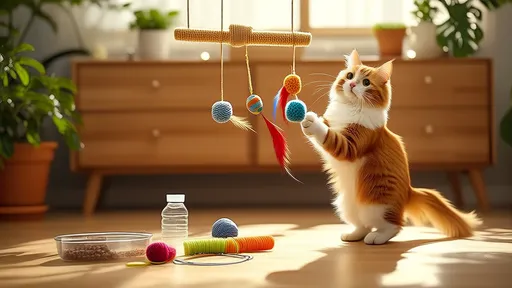
Another material gaining tremendous traction is hemp. Once a controversial crop, hemp is now celebrated for its sustainability. It requires minimal water, grows densely without the need for pesticides, and enriches the soil it's planted in. For pet products, hemp fiber is being woven into durable, breathable, and antimicrobial beds, collars, leashes, and even toys. These items are not only tough enough to withstand the most enthusiastic chewers but also offer a natural resistance to odors and mildew, enhancing their longevity and appeal. Similarly, recycled materials are being repurposed with ingenuity. Post-consumer plastic bottles are being transformed into soft, stuffing-free tug toys and plush animals, while reclaimed rubber from tires is finding new life as indestructible chew toys, diverting waste from landfills and giving it a purposeful second act.
The philosophy driving this change extends beyond just the end product; it encompasses the entire manufacturing process. A truly sustainable product is not judged solely on its biodegradable composition but on the holistic environmental cost of its creation. This includes the energy consumed during production, the sources of that energy, the water usage, and the waste generated in factories. Leading brands are now pursuing certifications like CarbonNeutral® and utilizing solar or wind power to run their operations. They are implementing closed-loop water systems and striving for zero-waste-to-landfill manufacturing. This comprehensive approach ensures that the product's green credentials are authentic from the raw material to the warehouse shelf, addressing the environmental impact at every single stage.
Packaging, often an afterthought, has become a critical battleground in the fight for sustainability. The sight of a small toy encased in a massive plastic clamshell blister pack has become symbolic of wasteful over-packaging. Eco-conscious brands are aggressively moving away from single-use plastics in their packaging, opting instead for recycled and recyclable cardboard, paper pulp molded trays, and even compostable bags made from plant-based polymers. The inks used for printing are shifting to soy or vegetable-based alternatives, which are far less harmful than their petroleum-based counterparts. Some companies have adopted a "naked" approach, shipping products without any outer packaging at all when possible, or using packaging that is designed to be repurposed by the pet owner, perhaps as a puzzle feeder or a cat scratcher, thus adding value and eliminating immediate waste.
For the modern, discerning pet owner, navigating this new landscape requires a shift from passive consumer to informed advocate. Greenwashing—where companies deceptively market products as environmentally friendly—is a real concern. Therefore, scrutiny is essential. Consumers are learning to look beyond vague marketing terms like "natural" or "eco" and are instead seeking out third-party certifications that verify claims. Certifications such as Global Organic Textile Standard (GOTS) for fabrics, Forest Stewardship Council (FSC) for wood and paper products, and Cradle to Cradle Certified™ for overall product sustainability provide tangible proof of a brand's commitment. Reading labels to understand material composition and researching a company's overall environmental policies have become integral parts of the responsible purchasing process.
The economic implications of this shift are profound. Initially, sustainable pet products often carried a higher price tag, reflecting the more expensive, ethically sourced materials and responsible manufacturing processes. However, as demand grows and production scales, these costs are beginning to normalize. Furthermore, consumers are increasingly recognizing the long-term value proposition. A durable hemp leash that lasts for years represents a better investment than a series of cheap nylon ones that break and need frequent replacing. This mindset values quality and longevity over disposability, aligning personal economics with planetary well-being. The market is responding, making sustainable options more accessible and moving them from specialty boutiques into mainstream pet store chains and online marketplaces.
Ultimately, the rise of eco-friendly toys and用品 for pets is about more than just reducing pollution. It represents a deeper, more meaningful evolution in the human-animal bond. It is an acknowledgment that our responsibility to our pets extends beyond our homes and into the world we share with them. Choosing a toy made from recycled materials or a bed crafted from sustainable fibers is a conscious act of care—for our furry family members and for the environment they, and we, depend on. This movement is weaving a stronger thread of stewardship into the fabric of pet ownership, ensuring that the joy our pets bring us does not come at the expense of the planet's future. It is a testament to the idea that every choice, even the seemingly small one of which toy to buy, can be a step toward a healthier, more sustainable world for all creatures.

By /Aug 20, 2025
By /Aug 20, 2025
By /Aug 20, 2025

By /Aug 20, 2025

By /Aug 20, 2025

By /Aug 20, 2025

By /Aug 20, 2025

By /Aug 20, 2025

By /Aug 20, 2025

By /Aug 20, 2025

By /Aug 20, 2025

By /Aug 20, 2025

By /Aug 20, 2025

By /Aug 20, 2025

By /Aug 20, 2025
By /Aug 20, 2025

By /Aug 20, 2025

By /Aug 20, 2025
By /Aug 20, 2025

By /Aug 20, 2025