French Bulldogs, with their distinctive bat ears and charming personalities, have captured the hearts of dog lovers worldwide. However, their unique physical characteristics, particularly their brachycephalic (short-nosed) structure, present significant health challenges, especially concerning their respiratory system. These challenges become critically pronounced in hot weather, demanding vigilant and informed care from their owners. Understanding the intricacies of their anatomy and the profound impact of heat is not merely a recommendation but a fundamental responsibility for ensuring the well-being of these affectionate companions.
The root of the issue lies in the very features that make French Bulldogs so endearing. Their shortened skulls result in a compressed upper respiratory system. This anatomy includes narrowed nostrils, technically known as stenotic nares, which severely restrict the amount of air that can flow into the nose. Beyond that, they often have an elongated soft palate, a flap of tissue at the back of the throat that is too long for the shortened airway, causing it to obstruct the entrance to the windpipe. Many also have a hypoplastic trachea, meaning their windpipe is narrower than it should be. Combined, these traits create a perfect storm for respiratory distress. They must work considerably harder than other breeds to draw a single breath, making them exceptionally inefficient at cooling themselves through panting.
Panting is a dog's primary mechanism for thermoregulation. As they pant, moisture evaporates from their tongue and respiratory tract, effectively cooling their body. For a French Bulldog, this system is severely compromised. Their struggle to move sufficient air means their panting is far less effective. In hot and humid conditions, their body temperature can skyrocket at an alarming rate. This inability to cool down efficiently makes them extraordinarily susceptible to heatstroke, a life-threatening condition that can develop with frightening speed. It is a medical emergency that requires immediate veterinary intervention, as organ failure and death can follow swiftly if not addressed.
Owners must become adept at recognizing the early and severe signs of overheating and heatstroke. Early warning signs are crucial to intercept a crisis before it escalates. These include excessive, heavy panting that seems more labored than usual, drooling thicker saliva, and appearing restless or anxious as they seek a cooler spot. As their condition deteriorates, the signs become more severe and dire. Bright red or dark purple gums and tongue are a major red flag, indicating poor oxygenation. Lethargy, confusion, and uncoordinated movement, often described as stumbling or wobbling, signal neurological distress. Vomiting or diarrhea may occur, and ultimately, collapse and loss of consciousness mark the final, critical stages of heatstroke. At any sign beyond the very earliest panting, contacting a veterinarian is imperative.
Prevention is the absolute cornerstone of managing a French Bulldog's health in the heat. The most critical rule is to never, under any circumstances, exercise a French Bulldog during the warmest parts of the day. Walks, playtime, and any outdoor activity should be strictly confined to the very early morning or late evening when temperatures are at their lowest. Even then, the intensity and duration of exercise must be carefully moderated. A short, gentle stroll is far safer than a vigorous run. Pavement and asphalt absorb heat and can burn their sensitive paw pads, so always test the ground with your own hand before venturing out.
Ensuring constant access to a cool, climate-controlled indoor environment is non-negotiable. Air conditioning is the single best tool for keeping a French Bulldog safe in the summer. For those without AC, strategically placed fans, cooling mats, and keeping the blinds closed during the day to block the sun are essential measures. Always provide an abundance of fresh, cool water, and consider adding ice cubes to encourage drinking. Hydration supports their entire bodily function and aids in temperature regulation.
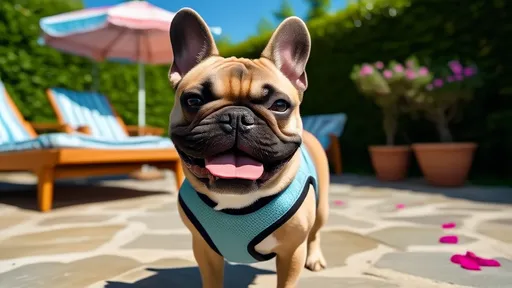
Innovative cooling products can offer additional support. Cooling vests or bandanas, which are soaked in water and worn, can provide temporary relief during necessary short trips outside. However, these are aids, not solutions, and should not be relied upon to permit extended exposure to heat. At home, placing a cool, damp towel for them to lie on can be soothing. A shallow kiddie pool with a few inches of cool water can also provide a fun and effective way for them to cool their belly and paws, but constant supervision is mandatory to ensure safety.
Grooming plays a supportive role as well. While a French Bulldog's coat is short, regular brushing helps remove loose fur and improves air circulation down to the skin. However, it is a grave misconception that shaving a French Bulldog is beneficial. Their coat actually provides a layer of insulation that protects them from both cold and, to a certain extent, direct sunlight and heat. Shaving them removes this natural protective barrier and can actually increase their risk of sunburn and overheating.
Beyond general heat management, some French Bulldogs may require surgical intervention to improve their quality of life. Procedures like nares resection to widen the nostrils or staphylectomy to shorten the elongated soft palate can dramatically improve airflow and reduce respiratory effort. These are not minor procedures, and the decision to pursue surgery should be made in close consultation with a veterinarian, often a specialist, who can assess the individual dog's anatomy and breathing difficulties. For a dog with severe anatomical issues, such surgery can be transformative, making them more resilient and comfortable in all conditions, not just the heat.
Travel and transportation require special forethought. A car, even with the windows cracked, can become a lethal oven in minutes, even on a mildly warm day. Leaving a French Bulldog unattended in a vehicle is never safe. During car journeys, ensure the air conditioning is running consistently, and use sunshades on the windows to block direct sunlight. Consider the timing of your trip to avoid peak heat, and always have water and a plan for cool breaks if needed.
Caring for a French Bulldog in hot weather is a demanding but deeply rewarding aspect of ownership. It requires a proactive, watchful, and educated approach. By respecting their profound limitations, creating a consistently cool environment, and understanding that their needs are vastly different from other breeds, owners can provide their beloved pets with a safe, happy, and healthy life. Their well-being is entirely dependent on the choices we make for them, making our vigilance the greatest expression of our love for these wonderful, snorty, and utterly charming dogs.
By /Aug 20, 2025
By /Aug 20, 2025

By /Aug 20, 2025
By /Aug 20, 2025

By /Aug 20, 2025

By /Aug 20, 2025

By /Aug 20, 2025

By /Aug 20, 2025

By /Aug 20, 2025

By /Aug 20, 2025

By /Aug 20, 2025
By /Aug 20, 2025

By /Aug 20, 2025

By /Aug 20, 2025

By /Aug 20, 2025

By /Aug 20, 2025
By /Aug 20, 2025

By /Aug 20, 2025
By /Aug 20, 2025

By /Aug 20, 2025