In the quiet moments of our shared lives, we often forget that our pets experience the world in profoundly different ways than we do. The concept of enrichment has slowly woven itself into the fabric of responsible pet ownership, moving beyond a niche interest of dedicated animal behaviorists to a fundamental pillar of modern pet care. It is the practice of enhancing an animal's environment and daily routine to stimulate their natural behaviors, challenge their minds, and nourish their spirits. This isn't about spoiling a pet with an abundance of toys; it is about acknowledging a deep-seated biological need for engagement that, when unmet, can lead to a silent crisis of boredom, anxiety, and a host of behavioral issues.
Imagine, for a moment, the daily reality of a domestic animal. While safety and love are provided in abundance, the confines of a home—even a spacious one—can be a stark contrast to the dynamic and challenging environments their wild ancestors thrived in. A dog’s day might revolve around a few walks and waiting for its human to return. A cat may spend hours staring out a window, its hunting instincts simmering just beneath the surface with no outlet. Small animals like rabbits or rats are often relegated to a cage, their world defined by bars. This lack of stimulation is not merely dull; it is a source of profound stress. We see the symptoms in the chewed furniture, the incessant barking, the over-grooming, and the lethargy. These are not acts of defiance but cries for help, signals that an essential part of their well-being is neglected.
The philosophy behind enrichment is beautifully simple: a stimulated pet is a happy and healthy pet. The benefits cascade through every aspect of their being. Cognitive health is sharpened as they learn to solve puzzles and navigate new challenges, keeping their minds agile well into their senior years. Physical wellness is promoted through activity that encourages natural movement, helping to maintain a healthy weight and combat arthritis. Perhaps most importantly, emotional stability is fortified. By providing appropriate outlets for natural instincts like foraging, hunting, and exploring, we reduce anxiety and prevent the development of destructive coping mechanisms. It deepens the bond between pet and owner, transforming the relationship from one of mere care into one of shared activity and mutual understanding.
The wonderful truth is that providing this crucial enrichment doesn't require a bottomless wallet or a degree in animal science. Some of the most effective tools are already in your home, waiting to be repurposed with a little creativity. The do-it-yourself approach to pet enrichment is not only cost-effective but also allows you to tailor activities to your specific pet's personality, likes, and dislikes. It’s an ongoing process of observation and adaptation, a puzzle you solve together.
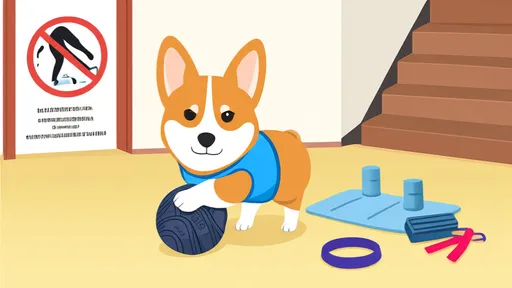
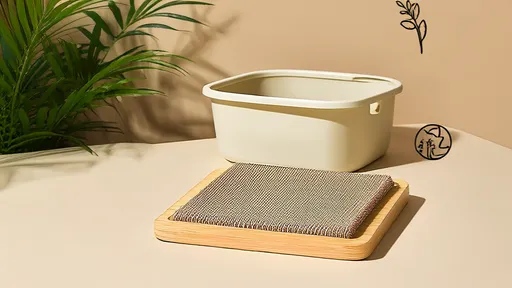
For our canine companions, whose worlds are so often smell-driven, simple games can unlock a universe of mental exercise. A muffin tin puzzle is a classic for a reason. Take a muffin tin, place treats or kibble in a few of the cups, and then cover all the cups with tennis balls. Your dog must use its nose and paws to discover the hidden treasures. Similarly, a snuffle mat, which can be handmade from strips of fleece tied into a rubber sink mat, turns mealtime into a foraging expedition, forcing them to search for each piece of food. For more physical and mental engagement, create a digging box in the yard. A small child's pool or a designated sandbox filled with dirt or sand, and then buried with toys and treats, gives them a legal outlet for their innate desire to dig. Even a simple "find it" game, where you hide treats around a room and encourage your dog to seek them out, taps directly into their powerful scavenging instincts.
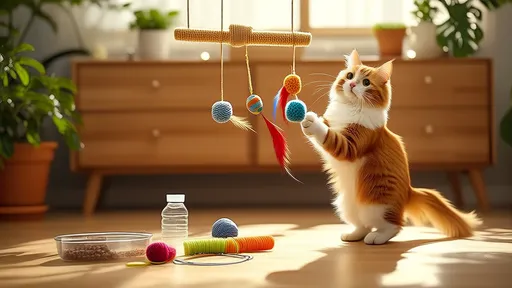
Feline friends, the masters of predation and puzzle-solving, thrive on activities that mimic the hunt. The simplest and most effective toy is often a paper bag or cardboard box with a few holes cut in it. Toss a crinkled ball or a catnip mouse inside and watch as your cat strategizes how to extract its "prey." For a more advanced challenge, create a cardboard puzzle tower. Take several small cardboard boxes, cut holes of varying sizes in the sides, and stack and tape them together in a random structure. Drop treats or kibble inside, and your cat will spend hours working its paw through the maze to retrieve the food. Never underestimate the power of novel perching. Rearranging furniture to create new high-up pathways or simply placing a chair by a new window can provide a fresh perspective and territory to explore. For a truly engaging project, build a secure "catio"—an enclosed patio space—that allows them to experience the sights, sounds, and smells of the outdoors safely.
Small mammals and birds, often the most overlooked in terms of enrichment, have vibrant minds that crave complexity. Foraging is a primary instinct, and it's easily encouraged. Instead of a food bowl, hide their daily ration throughout their habitat. Tuck bits of lettuce under a paper towel tube, sprinkle seeds in a pile of hay, or hang leafy greens from the top of the cage. You can make a simple foraging toy by taking a toilet paper tube, stuffing it with hay and treats, and folding the ends closed. They will delight in shredding it to get to the goods. Regularly rearranging their cage setup—moving tunnels, swapping hides, adding new platforms made from untreated wood or safe cardboard—creates a dynamic environment that prevents boredom. For birds, destructible toys made from untreated wood, cardboard, and palm leaves are essential for beak health and mental satisfaction. A shallow dish for bathing or a sprig of wet parsley to shred can provide a stimulating and enjoyable change of pace.
Introducing any new enrichment should be a gentle and positive process. Start simple and observe your pet's reaction. Do they approach with curiosity or hesitation? Allow them to investigate at their own pace and never force interaction. The goal is to build confidence, not create fear. Safety is the non-negotiable cornerstone of all DIY projects. Vigilantly inspect all materials for sharp edges, loose parts, or potential choking hazards. Avoid using any materials with toxic glues, inks, or treated woods. Always supervise your pet during play, especially with a new toy, to ensure they are using it safely and not ingesting any parts they shouldn't.
Enrichment is not a luxury or an occasional weekend activity; it is a daily commitment to seeing the world through your pet's eyes. It is an acknowledgment that we owe them more than just food, shelter, and veterinary care. We owe them a life that is rich, engaging, and truly worth living. By investing time in these simple, hands-on projects, you are doing far more than saving money. You are providing mental nourishment, preventing behavioral problems, and ultimately, gifting your beloved companion with a deeper sense of fulfillment and joy. Watch them engage with a puzzle you built, and you will see more than just play; you will witness the spark of a natural instinct honored, a mind challenged, and a spirit thriving.

By /Aug 20, 2025
By /Aug 20, 2025
By /Aug 20, 2025

By /Aug 20, 2025

By /Aug 20, 2025

By /Aug 20, 2025
By /Aug 20, 2025

By /Aug 20, 2025

By /Aug 20, 2025

By /Aug 20, 2025

By /Aug 20, 2025

By /Aug 20, 2025

By /Aug 20, 2025

By /Aug 20, 2025

By /Aug 20, 2025
By /Aug 20, 2025

By /Aug 20, 2025

By /Aug 20, 2025

By /Aug 20, 2025

By /Aug 20, 2025